



|
Search Animals:
(name, species, breed)
|
|


Volunteer
ARWOB is purely volunteer-driven and is always in need of help so that we can continue to rescue, rehabilitate, and rehome lost, abandoned, abused, and handicapped dogs and cats. There are a variety of ways for an individual person to help out our organization. Below are some of the activities that you can become involved in.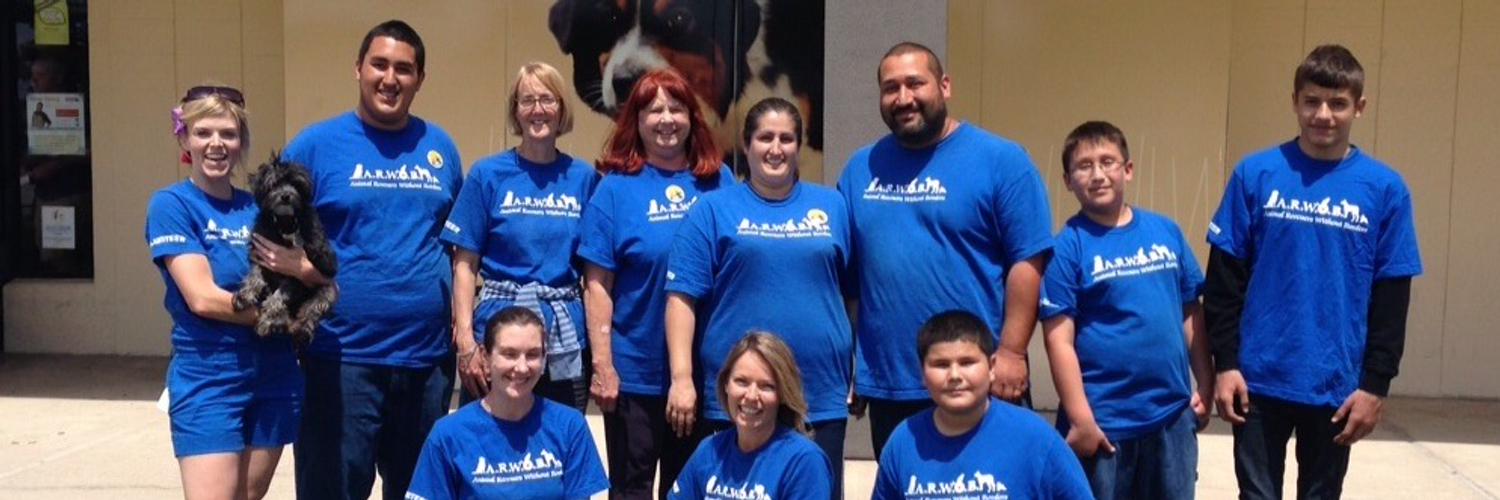

Foster Homes
Foster homes provide one (or more! Always based on your time) of our rescues with a TEMPORARY home. We are not a large group and do not own a shelter, therefore foster homes are pivotal and we are always searching for as many as possible ESPECIALLY during puppy & kitten season (March/ April - summer). Read more about fostering...
Event Volunteers
Event volunteers are always appreciated! We are just beginning to add adoption events since all events for animal organizations had been postponed during the pandemic. We need our dogs and cats to look and be their best so that they can capture the hearts of the adopters that do attend, SO event volunteers are important for making this all happen. Most duties include set up and break down, care of dogs and cats, and dog handling. Please fill out a volunteer application and our Volunteer Coordinator will contact you and place you on a mailing list where you receive updates for upcoming events. If you are under the age of 18, please have a parent or guardian submit an application. For those under the age of 18, certain events and activities may not be available to you as venues do put age restrictions on events. For a list of already planned events, please go to our events page... 
Web Volunteers
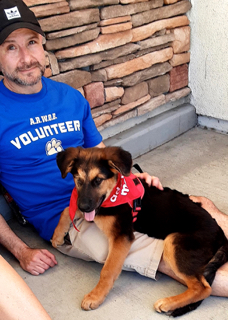
This opportunity is perfect for those who can't quite enjoy animals because they lack time or have an allergy. Whatever the reason, web volunteering is a great way to help out the animals from your very own home and on your own time. The first place adopters look when searching for animals is on the internet, so it is EXTREMELY important that the website is up-to-date. Web volunteering includes adding animal profiles and biographies on the website AND petfinder, adding success stories to the its section, adding pictures and videos, and any other web-related duties (such as Facebook and social media). Our Webmaster operated from a GoogleDoc to organize tasks on the website that need to get done, so it's necessary to have a Google Account.
Homecheckers
As soon as an adopter decides that they would like to adopt the animal they meet, we need homecheckers to follow up with them by scheduling a home visit at a convenient time. This position will require a few shadow sessions along side an experienced volunteer until the individual is comfortable with our standards for performing homechecks.
Photography
A picture is definitely worth a thousands words, it is the thing that "speaks" to adopters who make searches online for their future fur pet. An animal with a better quality picture receieves more hits than others. This is especially important for our black cats, a good picture makes them stand out from the rest.
Transporters
Sometimes we need volunteers to transport some of our dogs and cats from their foster homes when their foster parents cannot take them to events. This position can go hand-in-hand with volunteering at events since it is very convenient.
Fundraising and Public Relations
These volunteer are responsible for coming up with ways to make money for the group or speaking with people who will donate. Other duties pertain to marketing our dogs and cats so that they can find good homes. This may involve the creation of signs, banners, flyers, and working at fund-raising events that they coordinate.
If you are interested in one or more of the activities listed above, then we urge you to fill out a Volunteer Application.